
The Indispensable Role of Dental Checkup Importance in Your Health Journey
In our busy lives, it's easy to overlook routine appointments, especially when we don't feel any immediate pain or discomfort. However, few appointments are as crucial for long-term health as your regular dental checkup. Far from being a mere formality, understanding the dental checkup importance is key to safeguarding not just your teeth and gums, but your entire systemic health. These preventative visits serve as the frontline defense against a myriad of oral health problems, many of which can have ripple effects throughout your body.
A proactive approach to oral hygiene, anchored by consistent dental checkups, can prevent minor issues from escalating into major health concerns. It's about more than just a bright smile; it’s about preventing disease, ensuring comfort, and maintaining your ability to speak, chew, and enjoy life without dental pain. Let's delve deeper into why making dental checkups a priority is a decision that pays dividends for years to come.
Why Regular Dental Checkups Are Non-Negotiable
Prevention is Better (and Cheaper) Than Cure
Perhaps the most compelling argument for embracing dental checkup importance is its preventative power. Regular visits allow your dentist to identify and address potential issues long before they become painful or severe. Tiny cavities can be filled easily and affordably, preventing them from growing into large decays that might require root canals or extractions. Similarly, early signs of gum disease, such as gingivitis, can be reversed with professional cleaning and improved home care, averting the progression to more serious periodontitis.
Ignoring these early warnings can lead to extensive and expensive dental treatments. Think of a small cavity that, if left untreated, could lead to severe pain, infection, and eventually necessitate complex procedures. By investing a little time and effort into regular checkups, you save yourself significant discomfort, time, and money on more invasive interventions down the line. Your dentist is your partner in catching these issues when they are most manageable.
Early Detection of Serious Conditions
The mouth is often referred to as a window to your overall health, and your dentist is uniquely positioned to spot signs of systemic diseases that may first manifest orally. Regular dental checkups include a thorough examination for oral cancer, where your dentist will look for any suspicious lesions, sores, or changes in tissue texture on your lips, tongue, cheeks, and throat. Early detection dramatically improves treatment outcomes for oral cancer, making this screening an invaluable part of your visit.
Beyond oral cancer, dentists can also identify indicators of other serious health conditions such as diabetes, heart disease, autoimmune disorders, and even nutritional deficiencies, all of which can have oral manifestations. This crucial screening aspect underscores the profound dental checkup importance, transforming a routine visit into a vital health assessment that can literally be life-saving.
Professional Cleaning: Beyond Brushing and Flossing
While daily brushing and flossing are essential, they simply cannot remove all the plaque and tartar that accumulate on your teeth, especially in hard-to-reach areas. Over time, plaque hardens into tartar (calculus), a substance so tenacious that only professional dental tools can effectively remove it. Tartar buildup is a primary cause of cavities, gum inflammation (gingivitis), and eventually, the more destructive form of gum disease known as periodontitis.
During a dental checkup, your dental hygienist will perform a thorough professional cleaning, scaling away plaque and tartar from above and below the gum line. This process not only leaves your mouth feeling incredibly clean and fresh but also significantly reduces your risk of decay and gum disease, reinforcing the preventative dental checkup importance. They can also polish your teeth to remove surface stains, enhancing the aesthetic appeal of your smile.
Maintaining Overall Health and Well-being
The connection between oral health and overall systemic health is increasingly recognized by the medical community. Poor oral hygiene, particularly untreated gum disease, has been linked to an increased risk of serious health problems, including cardiovascular disease, stroke, diabetes complications, respiratory infections, and even adverse pregnancy outcomes. The inflammation and bacteria present in an unhealthy mouth can enter the bloodstream, potentially contributing to inflammation and disease in other parts of the body.
By prioritizing regular dental checkups, you're not just taking care of your teeth; you're actively contributing to your overall physical health and reducing your susceptibility to these systemic conditions. A healthy mouth is a cornerstone of a healthy body, and consistent dental care is an integral part of maintaining that foundation.
Personalized Oral Hygiene Guidance
Every individual's mouth is unique, with different needs and challenges. During your dental checkup, your dentist or hygienist can provide personalized advice on how to optimize your at-home oral care routine. They can demonstrate proper brushing and flossing techniques, recommend specific toothbrushes or interdental cleaning tools, and advise on diet adjustments or products that can help improve your oral health. This tailored guidance ensures that your daily efforts are as effective as possible, complementing the professional care you receive.
What to Expect During Your Dental Checkup: A Step-by-Step Guide
Knowing what happens during a dental checkup can alleviate any anxieties and help you appreciate the thoroughness of the process. While specific procedures might vary slightly based on individual needs, a standard checkup typically involves several key stages, all designed to assess and maintain your oral health.
Comprehensive Examination
Your visit will begin with a comprehensive examination by your dentist. This involves a visual inspection of your teeth, gums, tongue, cheeks, palate, and the soft tissues of your mouth and throat. The dentist will be looking for signs of tooth decay, gum inflammation, bone loss, oral cancer, temporomandibular joint (TMJ) issues, and any other abnormalities. They may use a small mirror and a probe to meticulously check each tooth surface for cavities and assess the health of your gums, often measuring the depth of the gum pockets around your teeth to check for signs of periodontal disease.
X-rays: Seeing What's Beneath the Surface
Dental X-rays are a crucial diagnostic tool, typically taken periodically (e.g., every 1-2 years, or more frequently if there's a specific concern). These images allow your dentist to see what's invisible to the naked eye – areas between teeth, beneath existing fillings, the roots of your teeth, and the surrounding bone. X-rays can detect early decay, bone loss due to gum disease, abscesses, cysts, and even developmental abnormalities, ensuring that potential problems are identified and addressed before they become larger, more painful issues.
The Professional Cleaning (Prophylaxis)
After the examination, a dental hygienist will perform a professional cleaning. This involves several steps:
- Scaling: Using specialized instruments, the hygienist will meticulously remove plaque and tartar buildup from the surfaces of your teeth, both above and below the gum line.
- Polishing: A high-powered brush and a gritty paste are used to polish your teeth, removing surface stains and leaving your teeth smooth, making it harder for plaque to adhere.
- Flossing: The hygienist will thoroughly floss between your teeth to remove any remaining plaque or debris and to check for areas of sensitivity or bleeding.
- Fluoride Treatment: Often, a fluoride application will be offered to help strengthen tooth enamel and make teeth more resistant to decay. This is particularly beneficial for children but can also be recommended for adults with a high risk of cavities.
Discussion and Treatment Planning
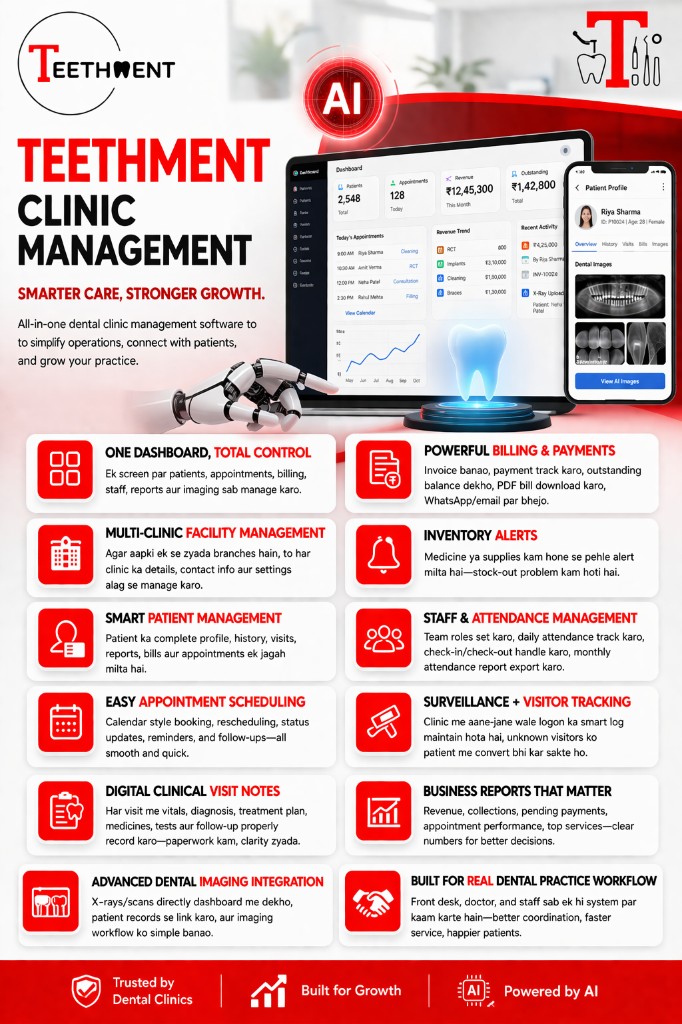
Once the examination and cleaning are complete, your dentist will review their findings with you. They will discuss the state of your oral health, point out any areas of concern, and explain recommended next steps if any dental treatments are needed. This is your opportunity to ask questions, understand your oral health status, and receive personalized advice on maintaining your smile at home. If you're looking to find a dentist for your next checkup or need more information on various dental treatments, platforms like Teethment can connect you with qualified professionals in your area, making it easier to take control of your oral health journey.
How Often Should You Prioritize Dental Checkup Importance?
The General Recommendation: Bi-Annual Visits
For most individuals, the standard recommendation is to visit the dentist for a checkup and professional cleaning every six months. This bi-annual schedule is generally considered optimal for preventing the accumulation of significant plaque and tartar, allowing for the early detection and intervention of common issues like cavities and gum disease. Following this routine helps maintain consistent oral health and prevents small problems from escalating.
Individualized Frequency Based on Your Needs
While every six months is a good general guideline, the ideal frequency for dental checkups can vary based on individual risk factors and health status. If you have a history of gum disease, frequent cavities, certain medical conditions (like diabetes), or habits such as smoking, your dentist might recommend more frequent visits – perhaps every three or four months. Conversely, individuals with excellent oral hygiene, no history of dental problems, and a low risk profile might be able to extend their intervals slightly, though this should always be determined in consultation with your dental professional. Always follow your dentist's personalized advice on the optimal schedule for your oral health.
The Long-Term Benefits of Embracing Dental Checkup Importance
Embracing the profound dental checkup importance translates into a lifetime of benefits. It means enjoying a healthy, confident smile free from pain and discomfort. It means fresher breath, stronger teeth, and healthier gums. More significantly, it means proactive protection against costly and invasive dental treatments by addressing issues early. Moreover, by contributing to better overall systemic health, regular dental checkups play a role in your general well-being, potentially preventing serious medical conditions beyond the mouth.
Don't underestimate the power of prevention when it comes to your oral health. Regular dental checkups are an investment in your future health and happiness. If you're due for a checkup or looking to find a dentist that suits your needs, explore resources like Teethment. Making that appointment is the first crucial step towards a healthier, brighter future. Your smile, and your body, will thank you for it.
About Teethment
Find trusted dentists: Teethment Dentists
Explore treatments: Dental Treatments
More articles: Teethment Blog